How pet owners in DFW keep homes clean — managing hair and dander, pet-safe products, how pets affect a cleaning quote, and why recurring plans win.
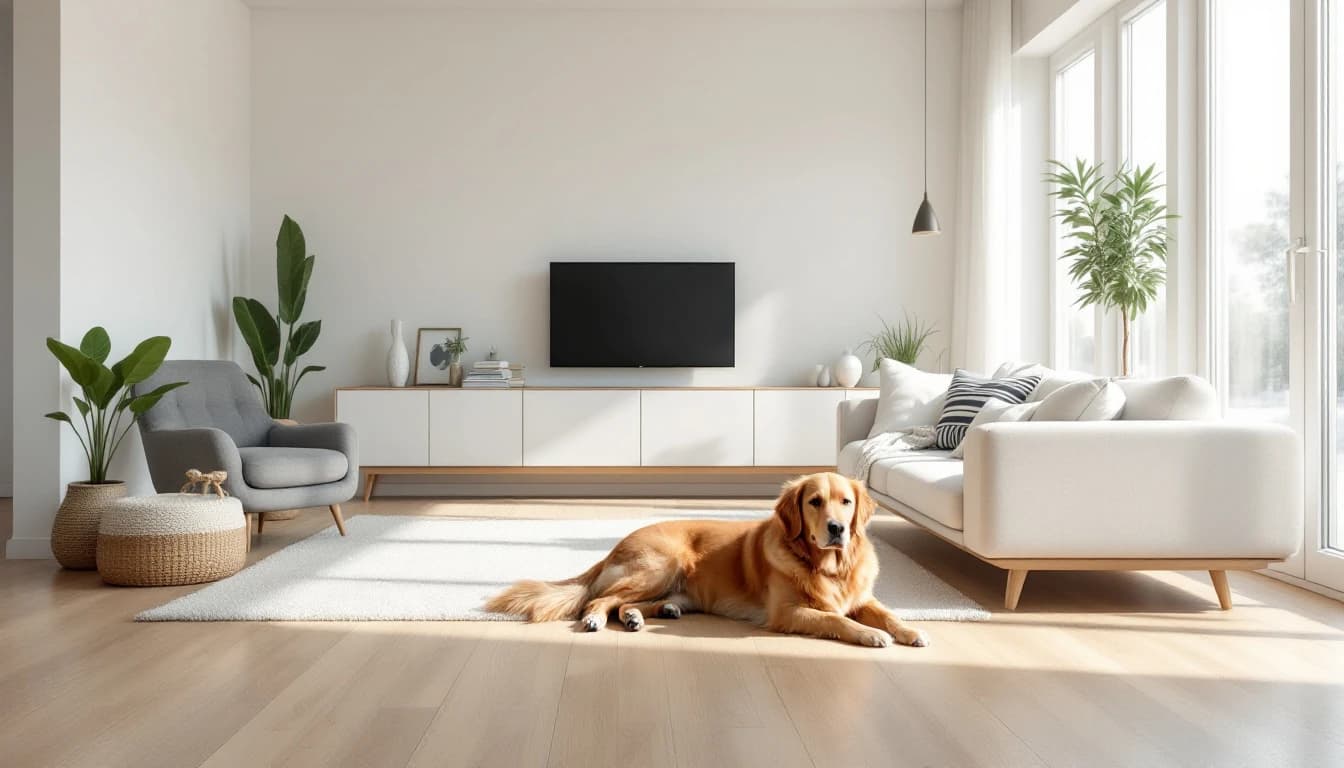
Living with a dog, cat, or a full menagerie is one of the great pleasures of home life in North Texas — and one of the steadier sources of housework. Pets shed, they track in dirt from the yard, they leave dander on soft surfaces, and they turn a home that would otherwise stay tidy for a week into one that needs attention every few days. As a locally owned maid service that has cleaned DFW homes since 2006 from our base at 3701 S Cooper St in Arlington, we clean plenty of pet households, and the ones that stay consistently fresh all share a few habits. As of July 2026, this guide walks through how to manage pet hair and dander, which products keep both your pets and your family safe, how pets factor into a cleaning quote, and why a recurring plan is the single best move a pet owner can make.
Why Pets Change the Cleaning Equation
A home without pets accumulates dust and the ordinary grime of daily life. Add an animal and you introduce three new variables at once: hair, dander, and outdoor debris. Hair is the visible one — it collects along baseboards, under furniture, in the corners of stairs, and woven into upholstery and rugs. Dander is the invisible one: microscopic flecks of skin that settle on soft surfaces and circulate in the air. And then there is everything a pet carries in from the yard, which in North Texas means clay soil, grass, pollen, and the occasional muddy paw print across a freshly mopped floor.
The U.S. Environmental Protection Agency notes that pet dander is a common indoor allergen and that regular cleaning of floors and soft furnishings, combined with good ventilation, helps reduce the allergens that build up in a home. That is the practical heart of pet-owner cleaning: it is not that pets make a home dirty in a way that can't be managed, it is that they raise the baseline amount of cleaning the home needs to stay healthy and comfortable.
Managing Pet Hair Before It Takes Over
Pet hair is relentless, but it is also predictable, which makes it manageable. The homes that stay ahead of it treat it as a routine rather than an occasional battle.
- Vacuum more often than you think you need to. Hair does not wait for your weekly clean. High-traffic paths, the spots where your pet sleeps, and the base of upholstered furniture are worth a quick pass every few days.
- Don't skip the edges and corners. Hair migrates to the perimeter of a room and settles where the floor meets the baseboard. A vacuum pass that only covers the open middle of a room leaves the heaviest accumulation untouched.
- Address upholstery and rugs directly. Fabric holds hair far more stubbornly than hard floors. Soft furnishings need their own attention, not just a swipe as you pass.
- Groom your pet on a schedule. The single most effective way to reduce hair in the home is to capture it before it lands. Regular brushing, ideally outdoors, removes loose hair at the source.
- Wash pet bedding regularly. A pet bed is a reservoir of hair and dander that quietly re-seeds the whole room. Laundering it on a routine keeps it from undoing the rest of your work.
When we clean a pet home, hair is the first thing we plan around. It means more thorough vacuuming, deliberate attention to edges and soft surfaces, and often a follow-up pass in the rooms where a pet spends the most time.
Dander, Air Quality, and the Surfaces That Matter
Hair is what you see; dander is what affects how a home feels to breathe in. For households with allergy or asthma sufferers, dander is the bigger concern. The U.S. Centers for Disease Control and Prevention identifies pet dander as a common asthma and allergy trigger and points to regular cleaning of surfaces and soft furnishings — along with reducing where dander can settle — as part of keeping indoor triggers down.
The practical response is to clean the surfaces dander clings to and to keep the air moving. Vacuuming with a well-sealed vacuum, ideally one with a HEPA filter, captures fine particles rather than stirring them back into the air. Wiping down hard surfaces with a damp cloth traps dander rather than dispersing it. And laundering the fabrics that collect it most — bedding, throws, cushion covers — clears the reservoirs that otherwise keep re-releasing it. Households that struggle with allergies often benefit from pairing this routine with the broader approach in our guide to reducing allergens through cleaning in DFW homes, which covers HEPA vacuuming and high-touch surfaces in more depth.
Pet-Safe Cleaning Products
One of the most common questions pet owners ask is whether the products used in their home are safe for the animals living in it. It is a fair concern: pets walk on cleaned floors, lick their paws, and rest on treated surfaces, so anything left behind matters more than it would in a pet-free home.
The safest approach favors cleaners that do their job without leaving harsh residue, and it means being deliberate about a few product categories that deserve extra caution around animals. The principle we follow is straightforward — surfaces a pet contacts should be clean and free of lingering chemical residue, and any stronger product used for a specific job should be fully rinsed or wiped so nothing is left for a curious nose or tongue. Households that want to lean fully into gentler options can read our overview of eco-friendly cleaning products for DFW homes, which pairs naturally with a pet-conscious routine.
A few habits make any product safer in a pet home:
- Keep pets out of a room while it is being actively cleaned, then let surfaces dry before they return.
- Store all cleaning products well out of reach — many are harmful if a pet ingests them, and secure storage matters as much as product choice.
- Rinse or wipe down surfaces where a stronger cleaner was used so no residue remains on floors or counters a pet can reach.
How Pets Affect Your Cleaning Quote
Pets do factor into the price of a cleaning, and we would rather be plain about why than surprise anyone. A pet home genuinely takes more work than a comparable home without animals: more vacuuming, more attention to hair on soft surfaces, more frequent detailing of the areas where a pet lives. That additional labor is real, and an honest quote reflects it.
That said, the effect is one factor among several, not a penalty. Home size, the number of bathrooms, the home's overall condition, and how frequently it is cleaned all weigh into a quote as well. A well-maintained pet home on a recurring plan often costs less to clean than a neglected pet-free home, because the recurring schedule keeps hair and dander from ever building up. Our full breakdown of what drives a quote is in the Arlington house cleaning price guide, and the same logic applies across DFW.
Here is how pet ownership tends to shape the different services and their typical flat-rate ranges:
| Service | Typical flat-rate range | How pets factor in |
|---|---|---|
| Standard house cleaning | $120–$250 | Extra vacuuming and soft-surface hair removal each visit |
| Deep cleaning | $200–$450 | Baseline reset — heavy hair and dander in neglected areas |
| Move-in / move-out cleaning | $200–$500 | Full hair and dander removal for deposit or resale |
| Airbnb / short-term rental turnover | $80–$200 | Pet-friendly rentals need reliable turnover between guests |
| Office cleaning | $150–$400 | Relevant for pet-friendly workplaces |
We quote a flat rate based on your home's size and condition, never an hourly meter, so a pet household knows the full price before we start rather than watching a clock run while a crew works through a shedding season.
Why Recurring Cleaning Is the Pet Owner's Best Friend
If there is one recommendation this guide comes down to, it is this: pet owners get more value from a recurring plan than almost any other household. The reason is simple. Hair and dander accumulate continuously, so the longer the gap between cleanings, the more the home falls behind and the harder each visit becomes. A recurring clean interrupts that cycle before it starts.
On a weekly or bi-weekly plan, hair never reaches the point of taking over, dander stays controlled, and the home holds a consistent baseline that a single monthly blitz can't match. It is also better value: because the home is maintained rather than reset each time, the per-visit cost stays predictable, and you avoid the periodic deep cleans a neglected pet home eventually forces. We cover the mechanics of frequency and value in our guide to recurring house cleaning in Fort Worth, which applies to pet homes across the metroplex.
The right cadence depends on your pets and your household. A single low-shedding cat may do fine on a bi-weekly plan; a home with multiple dogs, especially heavy shedders, often justifies weekly service. The best way to decide is a short conversation about your animals and your home. Either way, the goal is the same — keep the home ahead of the shedding rather than always chasing it.
Getting Started
The fastest way to a real number for your pet home is to tell us three things: the number of bedrooms and bathrooms, whether the home is due for a first deep clean or has been maintained, and a quick sense of your pets — how many, and whether they shed heavily. With that, we can recommend the right service and cadence and give you a firm flat quote, with no "call for pricing" runaround.
Call (682) 201-2909 or email info@lauramaidservices.com for a free, no-obligation quote. You can also explore our standard house cleaning and deep cleaning service pages, or start from the Laura Maid Services home page to see everything we offer across DFW. If you are in the western part of the metroplex, our Fort Worth service hub is a good place to begin.
Frequently Asked Questions
Do you charge extra for homes with pets?
Pets are one factor in a quote because a pet home genuinely takes more work — extra vacuuming, hair removal from soft surfaces, and more attention to the areas where animals live. But it is one factor among several, alongside home size, bathrooms, condition, and cleaning frequency. A well-maintained pet home on a recurring plan often costs less to clean than a neglected pet-free home. We quote a flat rate based on your home's size and condition, so you know the full price before we start.
Are the products you use safe for my dog or cat?
Yes. In pet homes we favor cleaners that do their job without leaving harsh residue on floors and surfaces a pet contacts, and any stronger product used for a specific job is wiped or rinsed so nothing lingers. We keep pets out of a room while it is actively being cleaned and let surfaces dry before they return. If you prefer to lean fully into gentler options, we are glad to work with an eco-friendly approach throughout your home.
How do you handle heavy pet hair?
Pet hair is the first thing we plan around in a pet home. That means thorough vacuuming rather than a quick pass, deliberate attention to edges, corners, and the base of furniture where hair collects, direct treatment of upholstery and rugs that trap hair, and often a follow-up pass in the rooms where your pet spends the most time. Regular grooming and washing pet bedding between our visits helps keep it manageable.
How often should a pet owner have their home cleaned?
It depends on your pets. A single low-shedding cat may do well on a bi-weekly plan, while a home with multiple dogs or heavy shedders often justifies weekly service. Recurring cleaning is especially valuable for pet owners because hair and dander accumulate continuously — a regular schedule keeps the home ahead of the shedding instead of always chasing it, and keeps the per-visit cost predictable.
Can cleaning really help with pet allergies?
It helps meaningfully. Public-health guidance from the CDC and EPA points to regular cleaning of floors and soft furnishings, HEPA vacuuming, and washing fabrics that collect dander as effective ways to reduce indoor allergens. Cleaning does not replace medical advice for allergy sufferers, but keeping dander and hair controlled genuinely lowers the triggers circulating in the home.
Do I need to do anything with my pets before you arrive?
It helps to have a plan for where your pets will be during the clean — a secured room, a crate, the yard, or with a family member — so the crew can work efficiently and your pet stays comfortable and safe. A quick note about any anxious or protective animals is always welcome. Beyond that, a brief tidy of pet toys and bedding lets us focus on cleaning rather than moving items around.