2026 guide to the DFW move-out inspection from the landlord side — the walk order, the line items that get charged back, and how documentation protects you
Most move-out cleaning advice is written from the tenant's side: here is a checklist, work top to bottom, do not forget the oven. Useful, but it misses something. The person who decides whether your deposit comes back is not working from your checklist — they are working from an inspection form, walking the unit in a fixed order, comparing what they see against a move-in condition report filled out months or years ago. As of August 2026, that asymmetry is where most deposit disputes start. This guide walks the DFW move-out inspection the way a landlord or property manager actually walks it, so you know which twenty minutes of cleaning are worth more than the other six hours.
How an Inspector Actually Walks a Unit
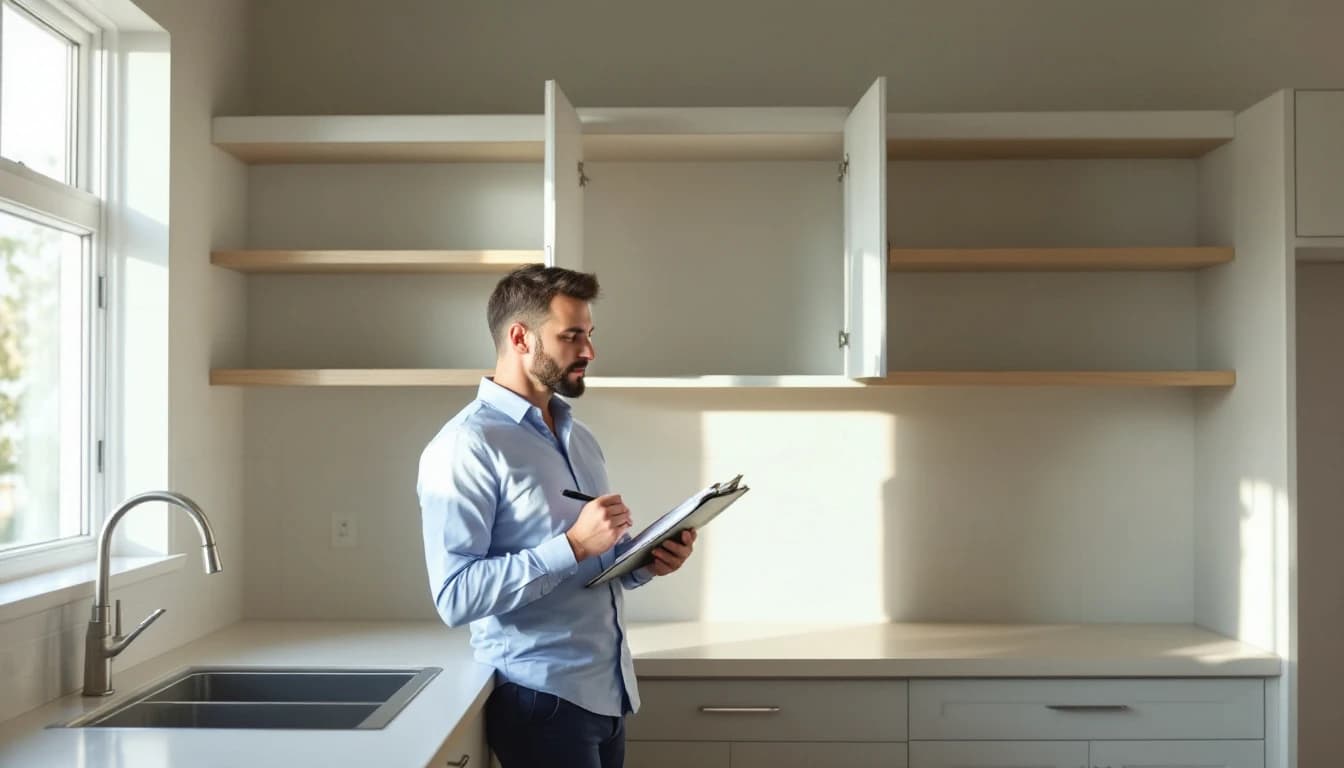
Inspections are not random. Whether the person holding the clipboard is a private landlord with two rentals or a property manager doing four move-outs that week, the walk follows a pattern — the pattern is what makes the inspection defensible.
First, the impression pass. The inspector opens the door and stands there. Smell is the first data point and the one nobody cleans for: smoke, pets, garbage that sat in the bin, a fridge unplugged with food still in it, a disposal nobody ran clean water through. A unit that smells wrong puts the inspector into a different mode for the entire walk — looking for problems instead of confirming there are none. That is a real disadvantage, and it costs almost nothing to avoid.
Second, the kitchen, because it is where the biggest chargebacks live and where cleaning effort is easiest to verify. Appliances get opened, not glanced at.
Third, the bathrooms. Kitchens and bathrooms together account for the overwhelming majority of cleaning-related deductions, because they are the only rooms where "clean" has an objective, visible standard.
Fourth, the general rooms, in a loop — floors, walls, closets, windows, blinds, baseboards, ceiling fans — followed by the invisible list nobody thinks about because it was never used: vent covers, the top of the refrigerator, inside cabinets and drawers, the washer and dryer interiors, the garage floor, the patio, the water heater closet.
Finally, the comparison. The inspector pulls the move-in condition report and compares. That step determines whether something is a charge or a shrug, and understanding it is worth more than any amount of scrubbing.
The Rooms That Decide Deposits: Kitchen and Bathrooms
If you only had four hours, you should spend three of them here.
In the kitchen, the checks run in this order:
Oven interior. The single most-charged item in residential move-outs, and it is not close. Baked-on carbon on the oven floor, the racks, and the inside of the glass door is unmistakable and impossible to argue is normal wear. It takes time and the right product — a wipe-down does nothing. Do not skip the broiler drawer or the underside of the door.
Refrigerator, including the seals. The interior gets emptied, wiped, and dried, with shelves and crisper drawers pulled and washed. The door gaskets trap grime in their folds and are checked routinely, as is the top of the unit, which collects a felt of grease nobody sees at eye level. If the fridge stays, leave it running and empty — not unplugged and closed with moisture inside, which produces exactly the smell described above.
Stovetop drip pans and burner grates. On a coil range, scorched drip pans are almost always replaced rather than cleaned, and the replacement is billed to you. On a gas range, grates and burner caps need to be pulled and soaked.
Range hood filter. Grease-saturated mesh filters are a standard chargeback and can usually be run through a dishwasher.
Inside cabinets and drawers. Empty is not clean. Crumbs, liner residue, and sticky rings from bottles all count.
Dishwasher interior, including filter basket and door gasket. Microwave, including cavity ceiling and turntable ring. Sink and disposal — hard-water scale around the faucet base is common in DFW water and very visible.
In the bathrooms, the list is shorter but checked closely:
Tub and shower caulk staining. Discolored or mildewed caulk is the bathroom equivalent of oven carbon — obvious, and frequently charged. Scrubbing sometimes recovers it; sometimes it needs replacing, which is a repair, not a clean. Know which one you are looking at before the inspection.
Grout. Soap scum and mildew in grout lines and shower corners.
Hard-water buildup on shower doors, glass, and fixtures. Etched glass may not recover, but scale should come off.
Toilet base and behind it. The floor behind and beside the toilet is the most commonly missed spot in every unit, and inspectors know where to look.
Exhaust fan cover, which clogs with dust and is a routine flag; the under-sink cabinet, which usually has residue or leftover product; and mirrors, medicine cabinet interiors, and towel bars.
The Line Items That Get Charged Back
These entries appear on itemized deduction statements again and again, and every one is preventable with cleaning rather than repair.
| Line item | Why it gets charged | Prevention |
|---|---|---|
| Oven interior | Baked-on carbon, never wear-and-tear | Full oven clean including racks and door glass |
| Refrigerator seals and interior | Grime in gaskets, odor, spoiled residue | Pull shelves, wash gaskets, leave running and dry |
| Stove drip pans | Cheaper to replace than clean when scorched | Degrease or replace before the walkthrough |
| Range hood filter | Grease saturation is visible and standard | Degrease or run through the dishwasher |
| Blind slats | Dust and nicotine film, slat by slat | Wipe each slat, both sides |
| Baseboards | Scuffs and dust build-up along every wall | Wipe with detergent, not a dry duster |
| Vent and register covers | Visible dust felt on every return and supply | Remove, wash, dry, reinstall |
| Bathroom exhaust fan cover | Clogged grille, easy to photograph | Remove and wash |
| Tub and shower caulk | Mildew staining reads as neglect | Scrub; note if it needs replacement |
| Interior windows and tracks | Tracks collect grit and dead insects | Vacuum tracks, then wipe |
| Inside cabinets and drawers | Crumbs and residue after emptying | Vacuum, then wipe every surface |
| Washer and dryer interiors | Lint, residue, and detergent build-up | Clean drum, dispenser, and lint trap |
| Garage floor and patio | Oil stains, cobwebs, debris | Sweep, degrease spots, clear cobwebs |
| Light fixtures and ceiling fans | Dust and dead insects in glass covers | Remove covers, wash, replace bulbs |
Broom Clean vs. Professionally Cleaned
This is a lease-language distinction with real financial weight, and most tenants never read the clause closely enough to notice which one applies to them.
"Broom clean" is the lower standard. It generally means the unit is emptied of belongings and trash and the floors are swept — the property is returned in a condition where the landlord can work in it. It does not mean the oven was cleaned.
"Professionally cleaned" is a higher and different standard, and in some leases it is written as a specific requirement with a specific implication: the tenant must have a professional cleaning performed, sometimes with a receipt required as proof. Some leases go further and specify professional carpet cleaning as a separate item.
The gap between these two phrases is often several hundred dollars. Read your actual lease before you plan your move-out, because the standard you are being held to is written there and nowhere else. If the language is ambiguous — and it often is — ask the landlord or property manager in writing which standard applies and keep the reply. Lease terms and deposit handling in Texas are governed by your lease and by state law; check the lease document itself and consult the relevant authority or a qualified professional rather than relying on a cleaning company's summary. Nothing here is legal advice. The U.S. Department of Housing and Urban Development publishes general tenant and landlord material on housing condition and documentation that is a useful orientation, but the operative document in a private DFW lease dispute is the lease.
Normal Wear and Tear vs. Cleaning Deficiency
This is the distinction that determines whether an item on the inspection form is chargeable, and it is the one tenants most often argue and most often lose — because they argue the wrong things.
Normal wear and tear is deterioration from ordinary use without negligence: carpet with traffic paths after three years, faded paint, minor scuffs at furniture height, grout loosened by age, worn finish on a high-use handle. These are the landlord's cost of doing business.
Cleaning deficiency is dirt that was not removed. A greasy stovetop is not wear. Mildew in a shower is not wear. Pet hair in the corners is not wear.
Damage is a third category — a hole in the drywall, a burned countertop, a torn screen — and it is repair work, not cleaning.
The practical point: cleaning deficiencies are almost never worth disputing, and wear items almost always are. Traffic paths after four years is a defensible dispute. Carbon in the oven is not, and arguing it damages your credibility on the items where you were right. Cleaning is the category you fully control, so eliminate it from the conversation entirely and save the dispute for genuine wear.
Our guide to move-out cleaning versus deep cleaning in DFW covers where the scope lines fall between the two, which matters when deciding what to book.
Documentation Protects Both Sides
The most useful thing either party can do is photograph the unit thoroughly at both ends of the tenancy.
At move-in, photograph everything, date-stamped: appliance interiors, caulk and grout, existing carpet stains, blind slats, wall scuffs. That baseline is what makes a wear-and-tear argument winnable later.
At move-out, after cleaning, photograph everything again in the same order and framing — open the oven, open the fridge, capture inside cabinets, vent covers, tracks, and the garage.
This is not adversarial; it protects landlords equally. A landlord with dated move-in and move-out photos plus an itemized statement is in a strong position, and one relying on memory is not.
If you had a professional move-out cleaning performed, keep the receipt. Where the lease requires professional cleaning, it is proof of compliance. Where it does not, it is still leverage — an itemized invoice showing the oven, refrigerator, blinds, baseboards, and vents were cleaned on a specific date is concrete evidence against a general "unit was left dirty" deduction. With photos, it converts a subjective judgment into a documented one.
What Move-Out Cleaning Costs in DFW
Our move-in and move-out cleaning runs $200 to $500, quoted flat on the actual unit rather than by the hour. Where a job lands depends on size, bathroom count, appliance condition, and whether the unit was maintained or is coming out of a long tenancy without regular cleaning. Flat pricing matters more here than in routine work, because move-out jobs are the most likely to run long and hourly pricing puts that risk on you at the moment your budget is already stretched.
For the task-level breakdown, see our move-out cleaning checklist and cost guide for Fort Worth and the broader move-in and move-out cleaning guide for DFW. On the other end of a move, our move-in apartment cleaning checklist covers what to do before furniture arrives, and our move-in and move-out cleaning service page covers scope.
Booking Before Your Walkthrough
Schedule the clean after the unit is empty and before the walkthrough, with at least a day of margin. Cleaning around remaining furniture guarantees missed areas, and the landlord will find them. If you have an inspection date, tell us and we build around it.
Call (682) 201-2909 or email info@lauramaidservices.com for a flat quote. We have handled DFW move-outs since 2006, fully insured and bonded, every cleaner background-checked. You can also book through our Arlington move-in and move-out cleaning or Fort Worth move-in and move-out cleaning pages.
Frequently Asked Questions
What do landlords check first during a move-out inspection?
Smell, then the kitchen, then the bathrooms. The inspector opens the door and forms an impression before looking at anything — odor from smoke, pets, a garbage bin, or an unplugged refrigerator with food left inside puts them in a problem-finding mode for the whole walk. Then they go to the kitchen, where appliances are opened rather than glanced at, and the bathrooms. Those two rooms account for the large majority of cleaning-related deductions because they are where clean has an objective, visible standard.
Which cleaning items get charged back most often?
Oven interior is the most-charged item by a wide margin, followed by refrigerator interiors and door gaskets, stove drip pans, range hood filters, blind slats, baseboards, vent and register covers, bathroom exhaust fan grilles, tub and shower caulk staining, window tracks, and the insides of cabinets and drawers. Every one of these is preventable with cleaning rather than repair, which is why they are the highest-value places to spend your time.
What is the difference between broom clean and professionally cleaned in a lease?
Broom clean is the lower standard — the unit emptied of belongings and trash with the floors swept, returned in a workable condition. Professionally cleaned is a higher standard and in some leases is written as a specific requirement, occasionally with a receipt required as proof, and sometimes with professional carpet cleaning listed separately. The financial gap between the two is often several hundred dollars. The standard you are held to is written in your lease and nowhere else, so read the actual clause and ask in writing if it is ambiguous.
What counts as normal wear and tear versus a cleaning charge?
Normal wear and tear is deterioration from ordinary use without negligence — traffic paths in carpet after several years, faded paint, minor furniture-height scuffs, grout loosened by age. Cleaning deficiency is dirt that was not removed: grease on a stovetop, mildew in a shower, pet hair in corners, dust on returns. Damage is a third category and is repair work. The practical takeaway is that cleaning deficiencies are rarely worth disputing while genuine wear items usually are — so eliminate the cleaning category entirely and save your argument for the wear.
Should I keep the receipt from a professional move-out cleaning?
Yes, always. Where the lease requires professional cleaning, the receipt is your proof of compliance. Where it does not, it is still leverage: an itemized invoice showing the oven, refrigerator, blinds, baseboards, and vents were cleaned on a specific date is concrete evidence against a general claim that the unit was left dirty. Paired with dated photographs taken after the clean, it converts a subjective judgment into a documented one.
How much does move-out cleaning cost in DFW?
Move-in and move-out cleaning runs $200 to $500, quoted as a flat rate based on the unit rather than hourly. Where a job lands depends on square footage, bathroom count, appliance condition, and whether the unit was maintained during the tenancy. Flat pricing matters especially here, because move-out jobs are the most likely to run long and hourly pricing puts that risk on you at the moment your budget is already stretched by a move. Schedule the clean after the unit is empty and at least a day before the walkthrough.